
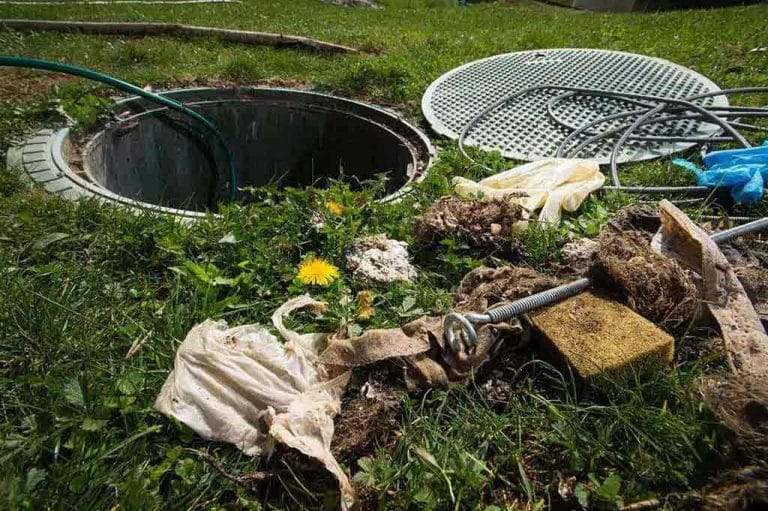
How to Fix Septic Tank Smell in Your Home with Cost-Effective Methods
A pungent odor wafting from your home can be a sign of a septic tank problem. The smell, often described as sewage-like, can be embarrassing and unpleasant, making your home uncomfortable. But before you call a plumber, consider these cost-effective methods to tackle the issue.
Identify the Source of the Smell
Pinpointing the source of the odor is the first step. Check for the following:
- Drains: Look for slow-draining sinks, tubs, or toilets, particularly in the kitchen and bathroom.
- Floor drains: Inspect floor drains in the basement or crawl space for any foul smell.
- Vent pipes: If you have a roof vent pipe for your septic system, ensure it's not blocked or damaged.
If the smell is strongest near a drain, it's likely a localized problem. However, if it's pervasive throughout your home, the issue might be with the septic tank itself.
Cost-Effective Solutions to Eliminate the Smell
1. Clean the Drains
Start by cleaning the drains in your home. You can use a plunger or a drain snake to remove clogs and debris. For stubborn clogs, try a commercial drain cleaner, but use it sparingly as it can damage your pipes over time. Regularly cleaning drains can prevent backups and reduce odor.
2. Pour Baking Soda and Vinegar
A simple and effective solution is to pour a mixture of baking soda and vinegar down your drains. The fizzing action can help to loosen grease and grime, reducing odor-causing bacteria. First, pour a cup of baking soda down the drain. Then, pour a cup of vinegar on top of the baking soda. Let the mixture sit for 30 minutes, then flush with hot water. Repeat this process weekly for best results.
3. Use a Septic Tank Treatment
Septic tank treatments are readily available at most hardware stores. These treatments typically contain bacteria that break down waste in the tank, helping to control odors. Follow the manufacturer's instructions for best results. Apply these treatments periodically for ongoing odor control.
4. Check the Vent Pipe
Inspect your septic tank vent pipe. If it's blocked or damaged, it can cause a buildup of gases in the tank, resulting in odors. Remove any debris or obstructions. If the pipe is damaged, consider calling a professional plumber for repairs.
5. Flush with Water
Sometimes, a simple flush of the septic system can resolve the issue. Run multiple loads of laundry and dishwashing cycles to increase water flow through the system. This can help to dislodge any clogs and wash away odor-causing bacteria. Remember to limit the use of harsh chemicals and avoid flushing items that could clog the system, such as wipes or paper towels.
When to Call a Professional
While these cost-effective methods can often tackle the issue, certain situations may require professional assistance.
- Persistent Smell: If the odor persists after trying the above methods, it's essential to call a professional plumber. A malfunctioning septic system might require repairs or even replacement.
- Backups: If you experience sewage backups, it's a serious situation that necessitates immediate professional attention. This often signifies a major problem with your septic system.
- Visible Signs of Damage: If you see signs of damage to your septic tank or leach field, such as cracks or leaks, contact a qualified professional.
Taking proactive measures to address septic tank smell can save you money in the long run. Following these tips can help you eliminate odors and keep your home comfortable.
No comments:
Post a Comment
Note: Only a member of this blog may post a comment.