
How to Neutralize Septic Tank Odors and Keep Your Home Fresh
Living with a septic system can be a rewarding experience, offering a sustainable and eco-friendly alternative to traditional sewer systems. However, one unwelcome side effect of septic systems is the potential for unpleasant odors. Fortunately, with proper maintenance and a few simple strategies, you can effectively neutralize septic tank odors and keep your home smelling fresh.
Understanding Septic Tank Odors
Septic tank odors arise from the breakdown of organic matter within the tank. As wastewater enters the tank, bacteria decompose the solids, releasing gases like hydrogen sulfide (rotten egg smell) and ammonia (pungent, chemical odor). These gases can escape through the tank lid, vent pipe, or even through cracks in the system.
The intensity of these odors can vary depending on several factors, including:
- Tank age and capacity: Older tanks and tanks nearing capacity are more likely to experience odor issues.
- Wastewater volume: High wastewater volumes can overwhelm the bacteria's ability to break down waste, increasing odor production.
- System maintenance: Regular pumping and inspections help prevent excessive buildup and minimize odor formation.
- Environmental factors: Weather conditions, soil type, and ground water levels can influence odor dispersal.
Strategies for Neutralizing Septic Tank Odors
1. Preventative Maintenance
Regular maintenance is crucial for preventing septic tank odors. Here are some essential practices:
- Regular Pumping: Have your septic tank pumped every 3-5 years, or more frequently if you have a large household or frequent guests. This removes accumulated solids and prevents overloading the system.
- Inspect the Tank: Schedule an inspection every 1-2 years to check for cracks, leaks, or blockages.
- Proper Waste Disposal: Avoid flushing items like sanitary wipes, paper towels, and coffee grounds, which can clog the system and lead to odor production.
- Avoid Excessive Water Use: Minimize laundry and dishwashing cycles to reduce the amount of wastewater entering the tank.
2. Natural Odor Neutralizers
Many natural solutions can effectively neutralize septic tank odors. These methods are environmentally friendly and often more affordable than commercial products:
- Baking Soda: Pour a cup of baking soda directly into the septic tank every few months. It helps deodorize and neutralize the odors.
- Vinegar: Combine a cup of white vinegar with a gallon of water and pour it down the drain to neutralize odors. Vinegar's acidity helps break down organic matter.
- Activated Charcoal: Activated charcoal is a powerful absorbent. Place a few charcoal briquettes in a breathable container and place it near the septic tank to absorb odors.
- Citrus Peels: Citrus peels release natural oils that can neutralize odors. Toss them directly into the septic tank or down the drain.
3. Enhancing Septic Tank Function
Optimizing your septic system's function can significantly reduce odors. Here are some helpful techniques:
- Aerate the Tank: Aerating your septic tank introduces oxygen, which helps beneficial bacteria thrive and break down waste more effectively.
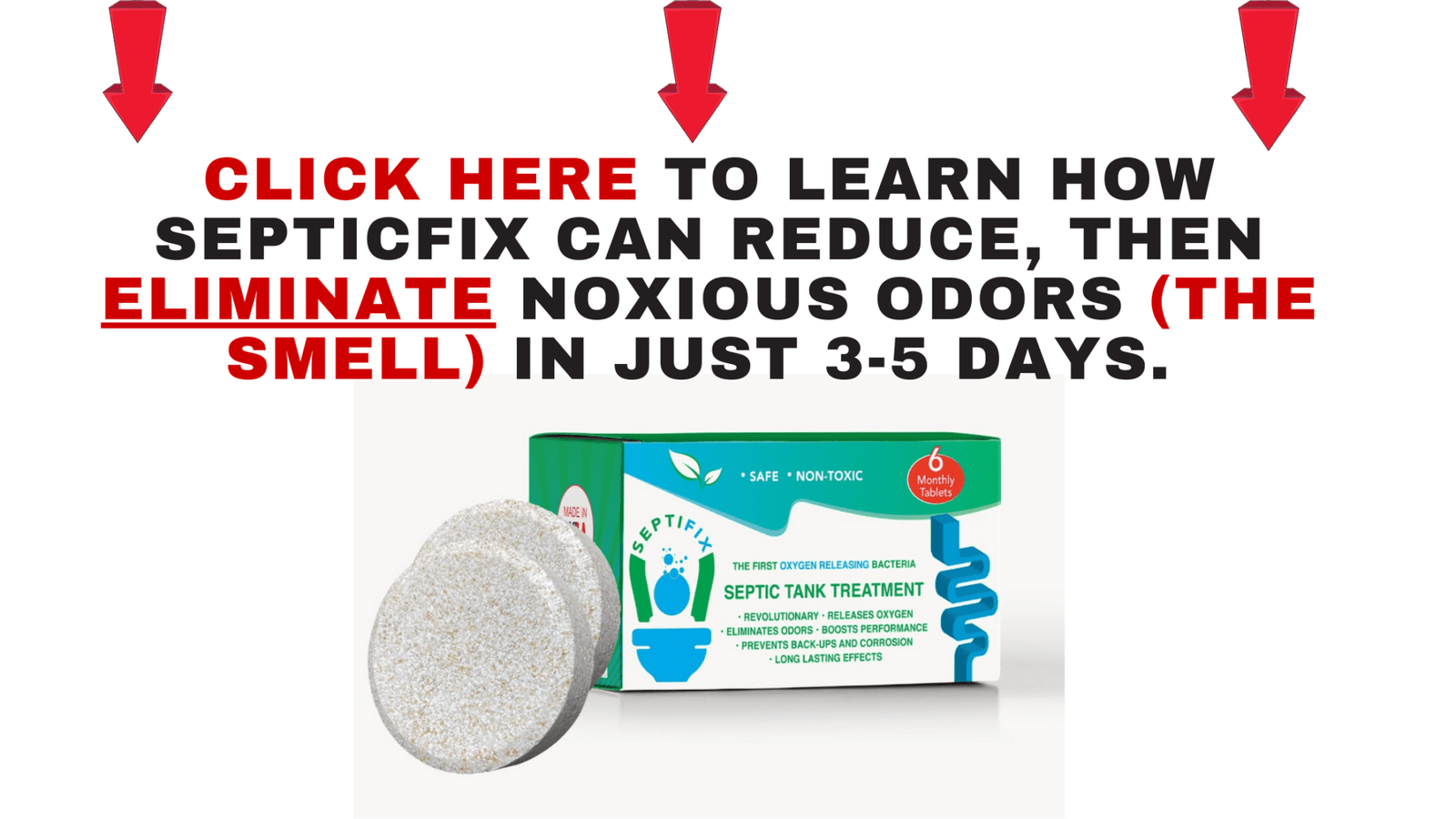
- Add Septic Tank Additives: Septic tank additives contain bacteria and enzymes that help decompose waste, reducing odor production.
- Maintain Drainage Field: Ensure your drainage field is free of obstructions and properly functioning to prevent wastewater backup and odor issues.
4. Air Freshener Solutions
While not addressing the root cause of odors, air fresheners can provide temporary relief from unpleasant smells. Consider these options:
- Essential Oil Diffusers: Essential oils with strong scents like lemon, orange, and peppermint can mask odors effectively.
- Natural Air Fresheners: Use homemade air fresheners with ingredients like vinegar, baking soda, and citrus peels for a more natural approach.
- Ventilate the Area: Open windows and doors to allow fresh air to circulate and dissipate odors.
Troubleshooting Septic Tank Odors
If you've implemented the above strategies but are still experiencing persistent odors, it might be time to investigate the underlying cause. Here's a checklist:
- Check the Tank Lid: Ensure the tank lid is properly sealed to prevent gas escape.
- Inspect the Vent Pipe: The vent pipe should be clear of obstructions and extend at least 12 inches above the roofline to effectively vent gases.
- Look for Leaks: Inspect the septic system for leaks or cracks, especially near the tank, pipes, or drainage field.
- Consider System Overloading: If you're experiencing frequent backups or excessive water use, your system might be overloaded, leading to increased odor production.
- Consult a Professional: If you suspect a more serious issue, consult a qualified septic system professional to diagnose and resolve the problem.
Maintaining a Fresh and Odor-Free Home
Neutralizing septic tank odors and keeping your home smelling fresh requires a combination of preventive maintenance, natural solutions, and proactive troubleshooting. By implementing these strategies, you can enjoy the benefits of a sustainable septic system while maintaining a clean and pleasant living environment.
No comments:
Post a Comment
Note: Only a member of this blog may post a comment.